The Origin Story of Bloomingfoods By Ned Shaw

The Origin Story of Bloomingfoods

By Ned Shaw

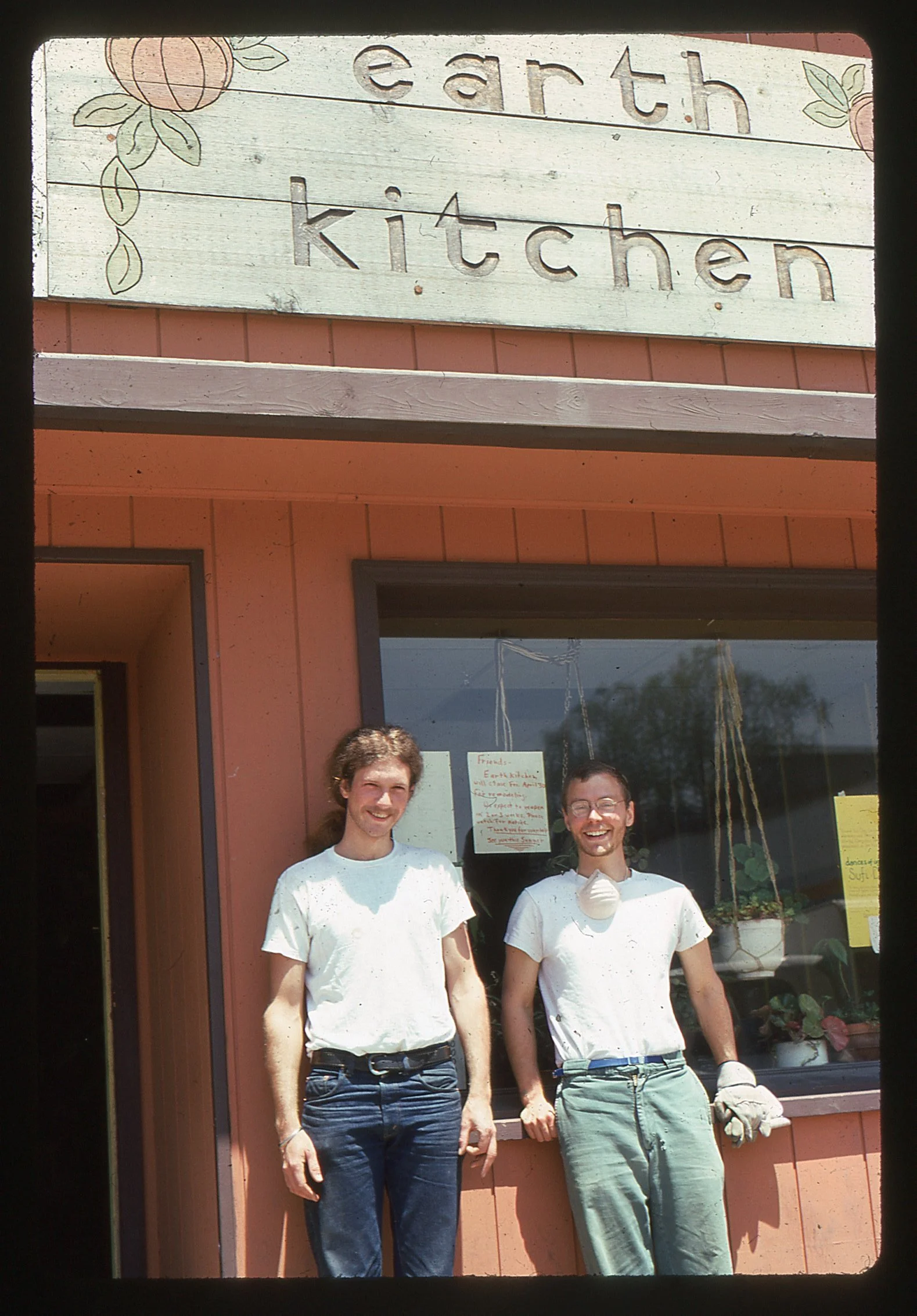
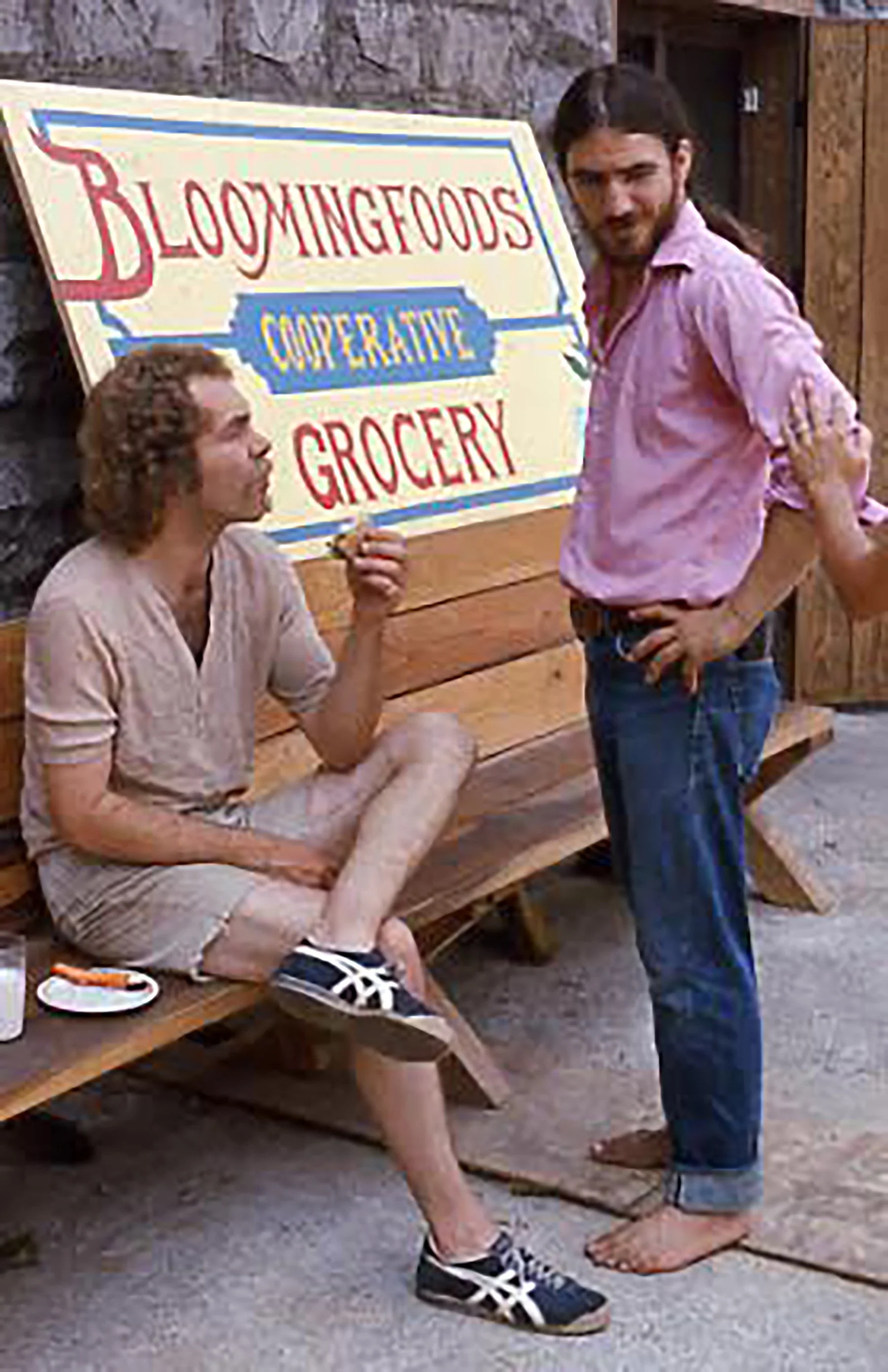
Ned Shaw and David Williams on Opening Day.

In fall of 1975, in the dining room of the Earth Kitchen restaurant on Kirkwood, David LoCascio asked me, David Williams, and David Greiser if we would be interested in creating a natural foods grocery store that would be cooperatively owned and operated and committed to selling real food and sustainable products. 

He explained the vision: a ‘bricks and mortar’ store, as one would say now, as an alternative to the supermarket or the existing pre-order co-op. The pre-order group gathered monthly in a parking lot and divided up their collective order made weeks earlier of staples such as brown rice, whole wheat flour, peanut butter, canned goods and other natural staples unavailable at the supermarket. It took planning, was inconvenient, and had very little selection, but was the only way to get the whole foods we were all learning to eat as a way to better health.

Nowadays, of course, all sorts of natural foods, even organically grown, are easily obtained at several local supermarkets. I like to think that Bloomingfoods was a little part of that change, when we showed that was something people really wanted. But at the time, there was only one tiny natural foods store in town, The Clear Moment. It was in the basement of an art supply store off Grant Street. Its inventory was low, but its sincerity was high.

David LoCascio was a true visionary, and when he saw a need he went to work to address it. He and his wife Kyle had recently moved to town from Madison, Wisconsin, where he had been surviving mainly charting horoscopes for people. Upon arrival in Bloomington, he immediately started a newspaper called Common Sense, named after Thomas Paine’s incendiary publication that helped start the American Revolution. I first met him there when he published my cartoons in the paper. Soon, he worked with others to start the Farmer’s Market, hugely successful to this day. He also initiated an intentional community south of Bloomington called May Creek Farm, now home to its third generation of inhabitants. He always had two or three projects in the works.

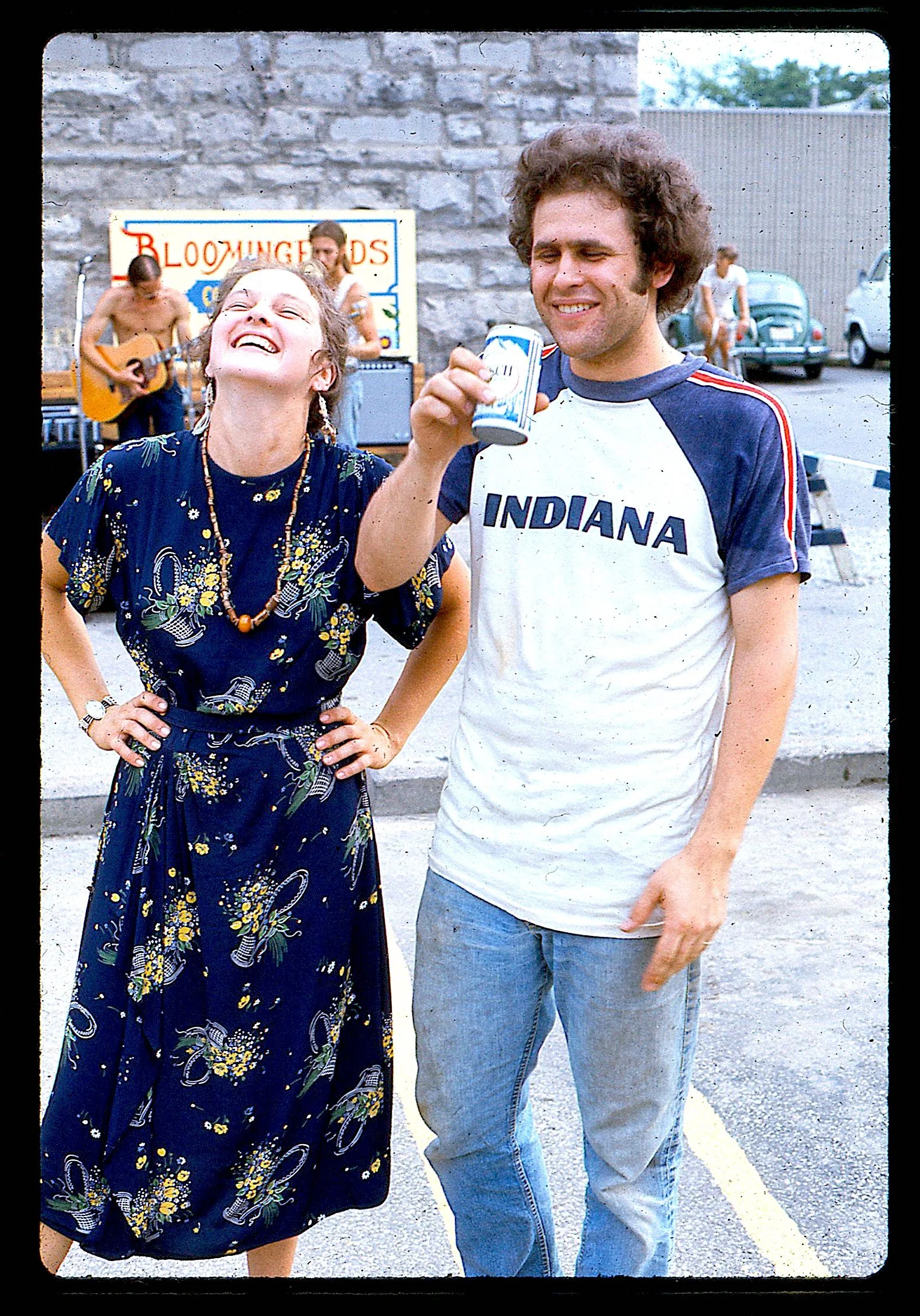
David LoCascio and Debra Fiscus on Opening Day. In the background, one of the original 4 managers, David Greiser (L), is seen on guitar, also Chip Pritchard on guitar.

David had made the acquaintance of Kathy Canada, an heiress to the Eli Lilly fortune and a prominent Bloomington philanthropist. For example, she owned the lot on Kirkwood, which even back then was called People’s Park, and eventually donated it to the city on the condition it never be built on or sold. She had a vision of how to make Bloomington a better place, and a commitment to alternative ways to see society. She and David, as well as many of us at the time, shared a dream of creating a counterculture that would meet our needs in ways that the mainstream did not. This included access to healthy food.

She had generously pledged $64,000 of her Eli Lilly stock as collateral for the loan that would purchase the Earth Kitchen restaurant and lease and renovate the old building behind it on the alley off Kirkwood. Bloomingfoods eventually paid off that note and Ms. Canada was never forced to sell that stock to cover our loan. We were all so proud on that day.

That loan gave birth to Bloomington Cooperative Services, still our corporate identity. (The Earth Kitchen lasted several more years but was destroyed in a fire.) The future Bloomingfoods, later known as the Kirkwood store, had previously been an auto repair garage, and before that, a livery stable. All it consisted of in 1976 was a two-story limestone block structure, with several windows, a rough wooden floor upstairs, and an old pizza oven in the back. It needed everything: the windows sashes were rotten, the upstairs floor was a splintered mess, and the downstairs floor was cracked concrete. A real fixer-upper! 

On that day in the Earth Kitchen, LoCascio offered us this proposal: the co-op would pay each of us $75 a week, (which also included eating for free in the Earth Kitchen), and no health care, in exchange for unlimited labor and meetings. Of course we said yes! 

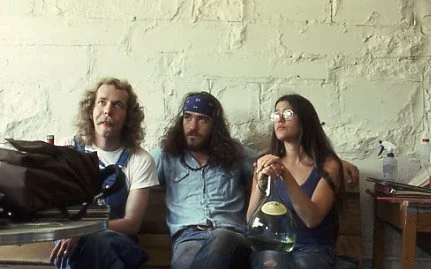
So the four of us, an astrologer, a cartoonist, a saxophone player, and a tipi dweller, all broke hippies with not a lot of skills suited to this enterprise but lots of big ambitions, set to work pitching this idea to the students and townies who inhabited the Kirkwood area. We put up flyers and spread the word to come to the Earth Kitchen and be a part of something revolutionary: taking control of the food we eat. People were curious and showed up to hear what we had in mind. Inspirational talk was woven into the myriad practical issues needed to be worked out, and many people volunteered to help restore the building and work out the details of our business structure and guiding philosophy.

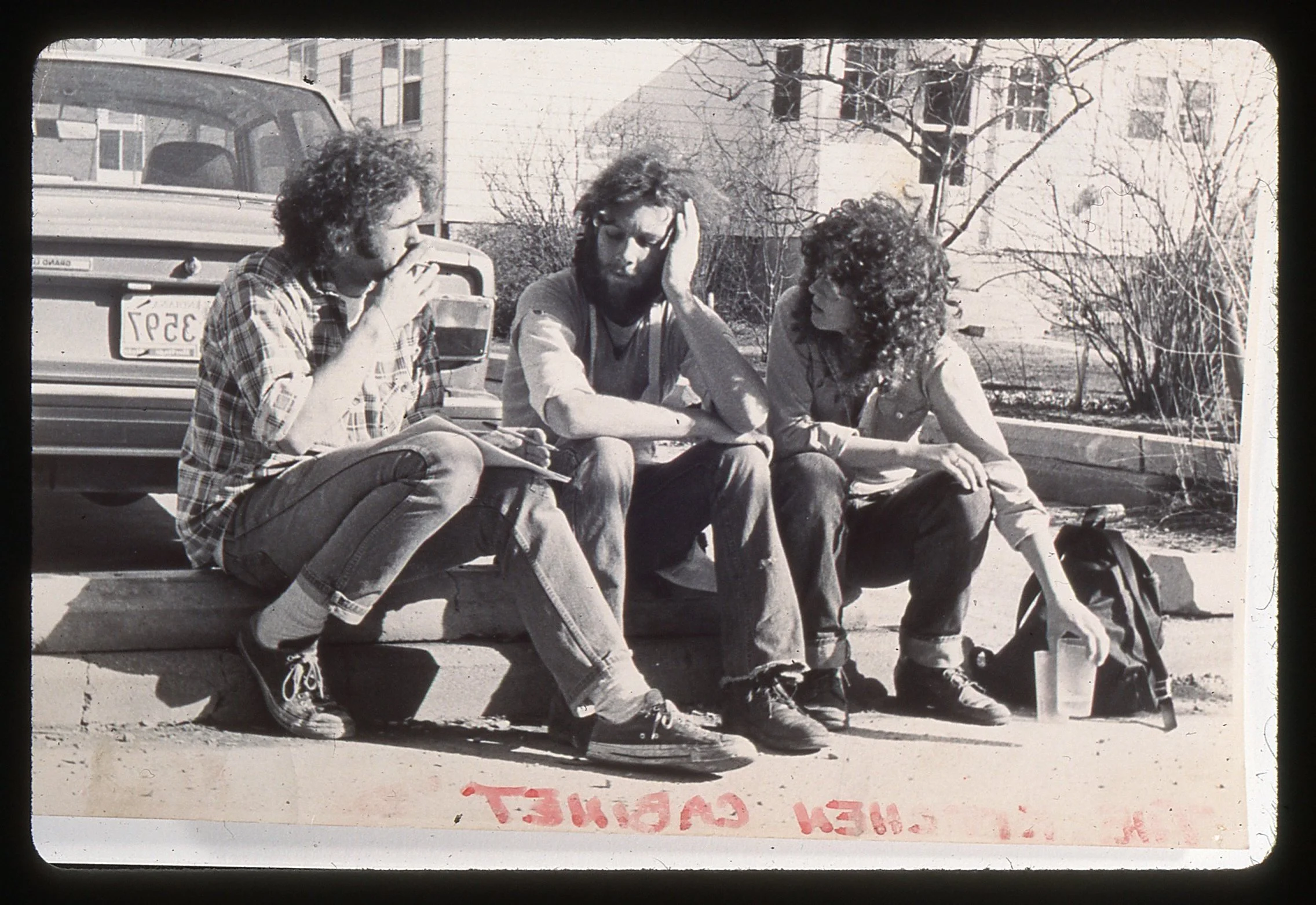
David Williams, Ned Shaw, and Susan Ewing at early Bloomingfoods strategy meeting.

There were scores of meetings that went long into the night, debating what we would offer and how we would govern ourselves. We studied other successful co-ops, primarily Ann Arbor, Michigan and Madison, Wisconsin, as models to follow, as well as the history of the cooperative movement in the US over the decades. I remember a few pivotal meetings where we faced major decisions. A primary one was whether we would be member-owned or worker-owned. With everyone already putting in long hours on the construction, there was a faction who strongly supported the worker-owned model because they feared losing control over what we were building. Others felt just as strongly that the whole point was to create something truly democratic that would reflect the needs of the members. 

The debate centered around the fact that in those highly charged political times there had been some worker-owned co-ops whose political views had become extreme. Those stores had become mired in conflict over what to stock, and even who to allow to be members. To many of us, that seemed anathema to creating something to meet the needs of the community. This was about taking control over what we needed, not controlling what we thought best for others. I remember clearly the meeting about what food we would sell. One faction insisted we should never sell bananas because they were grown in dictatorships. Another said we should never sell cornflakes, because they had sugar in them, and sugar was bad. Others countered with the question of what if the members wanted those things, in addition to non-hydrogenated peanut butter and whole wheat pasta? And what about beer? Well, everyone thought we should sell beer, so no problem there! In the end it was put to a vote. We became member owned.

On the business end, we struggled with what membership meant. Originally the members received a discount as an incentive to join and could receive an additional discount by working a shift. This was a common practice in co-ops of this era, but to my knowledge most co-ops have moved away from this model. Possibly having a three-tiered pricing strategy was just too complex, not to mention the confusion it created in the mind of the shopper. The professionalism of having a paid staff eventually replaced volunteers who turned over constantly. But that didn’t stop us from exploring it. We just had to learn as we went along.

But what would we call the co-op? The night the name was to be decided, there was a spirited discussion, followed by a vote. People made suggestions, and often tried to shoot down ones they didn’t like. David Williams said “just vote for the one you like. There will be no negative voting.” I recall the two finalists were Bloomingfoods and The Good Deal Grocery. Yes, we are all thankful which name won.

While those discussions went on in the evenings, the days were filled with demolition, construction, hard labor and high energy. So many people came to help, all unpaid, all idealistic, all with generous spirits. They came from all walks of life…some looking to help, some seeking revolution, some just looking for wholesome food, but all willing to do what it took to make this dream a reality. It was inspiring, exhausting, and a fleeting moment in time. Looking back now, it all seems like sort of a miracle it came together so well.

Ned Shaw and his dog Zucchini on the way to work at Bloomingfoods. Photo by Tracy Rosen.

The weeks leading up to opening day were a whirlwind. We were running out of our capital and desperately needed to start generating money through food sales. In preparation, we needed to set up relationships with Eden Foods and other food suppliers, finish construction, make the initial food order, and oh yeah, we had to buy a cash register. So with a final push that nearly did us in, including dozens and dozens of volunteers working long days, we announced the grand opening. I sat on a bench outside the front door that day and signed people up to be members. I remember seeing the long line of soon-to-be shoppers. What an exciting, long-awaited moment.

Max Monts was there, our first Board Chair, who personally had spent hundreds of hours volunteering, including sanding and varnishing the upstairs floor. (We had a sock hop on it before installing the shelves!) Future Board member Susan Kornblum signed up, who was volunteering then as well as now. Nancy Lethem, who had been there from the first days, swinging a hammer and painting, now waited patiently in line, unaware that soon she would become the Head Manager and be charged with keeping this little ship afloat. There stood lanky Tracy Rosen, an MBA student at IU, who had helped write our Articles of Incorporation and our business plan. Rev. George Mitchell of the Methodist Church offered spiritual guidance and wry humor. Our three carpenters, Mike Yoakam, Daryl Dale, and John Kellam were all there, proud of what they had built. I saw a policeman I knew, and there was Frank McCloskey our mayor and future Congressman, chatting with Charotte Zietlow, City Councilwoman. It was coming true! We had created something that was pulling our beloved town together, under the banner of collective action and good vibes! Now if only it could last long enough to take root and become a permanent part of Bloomington.

–Submitted to Bloomingfoods in 2026, on the eve of our fiftieth anniversary.

About Ned Shaw:

Ned Shaw was an IU honors student who dropped out in 1972 to take part in the societal upheaval that had seized the hearts and minds of so many of his contemporaries. After traveling the country in a converted taxi, living out West and back East, and spending a couple of years in a small commune in rural Kentucky, Ned returned to Bloomington.

Life at that time seemed to revolve around the natural foods restaurants, bars, record stores, and coffee houses of Kirkwood. It was there he met David Locascio, who had published Ned’s cartoons in an alternative newspaper called “The Bloomington New Almanac.”

Together, along with many others, they started Bloomingfoods, as well as a land collective named May Creek Farm, and the Farmer’s Market. All three continue today after 50 years of building community and good vibes in Bloomington.

At one point during Bloomingfoods early years he read an article that said we fully replace our body’s cells every 7 years. (This actually is not really true, but whatever). He then realized he was made of Bloomingfoods!

Ned took his graphics skills, honed during the building of Bloomingfoods, into a successful career as a freelance illustrator and art director. He retired a few years ago as the Associate Vice President of Marketing Creative and Exhibit Design for the Children’s Museum of Indianapolis.

Looking for a Father's Day Gift He'll Actually Enjoy?

Looking for a Father's Day Gift He'll Actually Enjoy?

Finding the perfect Father’s Day gift isn’t always easy. Another tie, mug, or gadget might end up forgotten in a drawer. But great chocolate? That’s something Dad can genuinely savor.

If you’re considering premium chocolate this Father’s Day, you may be wondering what actually makes chocolate “premium” in the first place.

Most chocolate looks premium until you taste it.

The real difference shows up in the snap, the melt, the flavor, and the craftsmanship behind every bar. Premium chocolate isn’t just about elegant packaging or a higher price tag—it’s about better cocoa, thoughtful sourcing, cleaner ingredients, and careful attention to quality.

But shopping for premium chocolate can feel overwhelming. Does a higher cacao percentage mean better chocolate? Are single-origin bars worth exploring? And what should you look for when choosing a gift Dad will love?

Here are a few things to keep in mind:

Cocoa percentage is a clue, not a score.
An 85% bar isn’t automatically “better” than a 50% bar. The best chocolate is all about balance and flavor.

The ingredient list tells a story.
High-quality chocolate focuses on purposeful ingredients rather than fillers or substitutes.

Texture matters.
Premium chocolate should melt smoothly, feel silky, and leave a clean finish.

Origin influences flavor.
Like coffee or wine, cacao reflects where it’s grown. Some chocolates are fruity and bright, while others are nutty, earthy, or rich and bold.

Great chocolate can be adventurous.
Nuts, fruit, coffee, spices, and creative fillings can make a gift even more memorable when paired with exceptional chocolate.

Whether your dad prefers classic dark chocolate, unique flavor combinations, or enjoys discovering something new, understanding what makes chocolate premium can help you choose a gift that feels thoughtful and personal.

Our guide also covers how to shop based on taste preferences, what ethical sourcing really means, tips for gifting, and how to explore large chocolate assortments without feeling overwhelmed.

This Father’s Day, skip the ordinary and give Dad something worth savoring.

Read the full Premium Chocolate Buying Guide and discover the perfect chocolate gift for Father’s Day: https://www.zotterusa.com/premium-chocolate-buying-guide/

Kamibashi String Dolls: Handmade Fair Trade Gifts

Kamibashi String Dolls: Handmade Fair Trade Gifts

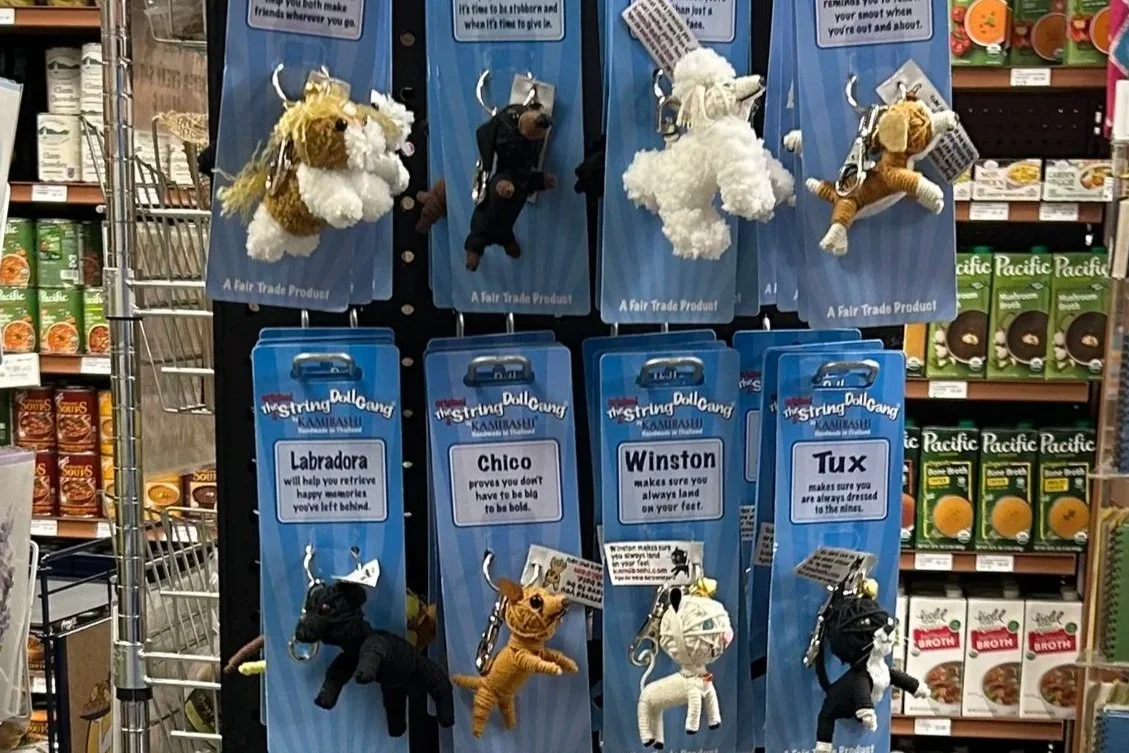
In a world filled with mass-produced products, Kamibashi string dolls stand out as meaningful handmade creations that combine creativity, craftsmanship, and social impact. Whether collected for fun, given as gifts, or carried for good luck, Kamibashi string dolls are small treasures with a meaningful story behind them.

Organic BioRevolution: A Case Study in Co-op Power & Environmental Innovation

Organic BioRevolution: A Case Study in Co-op Power & Environmental Innovation

By Equal Exchange

It’s often the case that when you find a kindred spirit, it’s not just one thing you have in common; it’s more like you share some spiritual DNA. Equal Exchange’s co-op supply chain is like an international super highway connecting kindred spirits all working toward changing a broken system through, some might say, radical commitments: democracy, participation, equity, sustainability, innovation.

These ideals and connections aren’t simply theoretical or academic. They are alive, dynamic, and moving actual products—from (often far-away) farms to co-op shopping baskets to homes. By deliberately creating alternative norms and ways of doing business, collectively we are proving that business can be done with delicious and restorative—not extractive—results. 

Co-op Power

Equal Exchange is a co-op owned by its workers. Its mission is to center the work and products of marginalized, small-scale farmers who have banded together into farming co-ops. In many marginalized, far-flung farming communities, government supports are scarce to non-existent, and the farmers’ own cooperative organization builds stability and resources that benefit the community. It’s the farmer co-op, owned and controlled not by outsiders, but by its members, which brings game-changing resources to life, often including fundamental services like education and health care, as well as future-focused resources such as coffee laboratories and compost facilities to continuously invest in their fundamental income source: organic, fair trade coffee.

When Equal Exchange sells to food co-ops in the US, a beautiful, completely cooperative supply chain is connected. Farmer co-op to Equal Exchange co-op to food co-op. While each co-op in the chain is independent, when pieced together, the supply chain prioritizes the needs of the members, independence over corporate influence, and values that extend beyond just the bottom line. The buying and selling of goods and services in this beautiful supply chain builds an alternative norm—and real economic value—through transparency, democracy, and solidarity.

Environmental Commitment

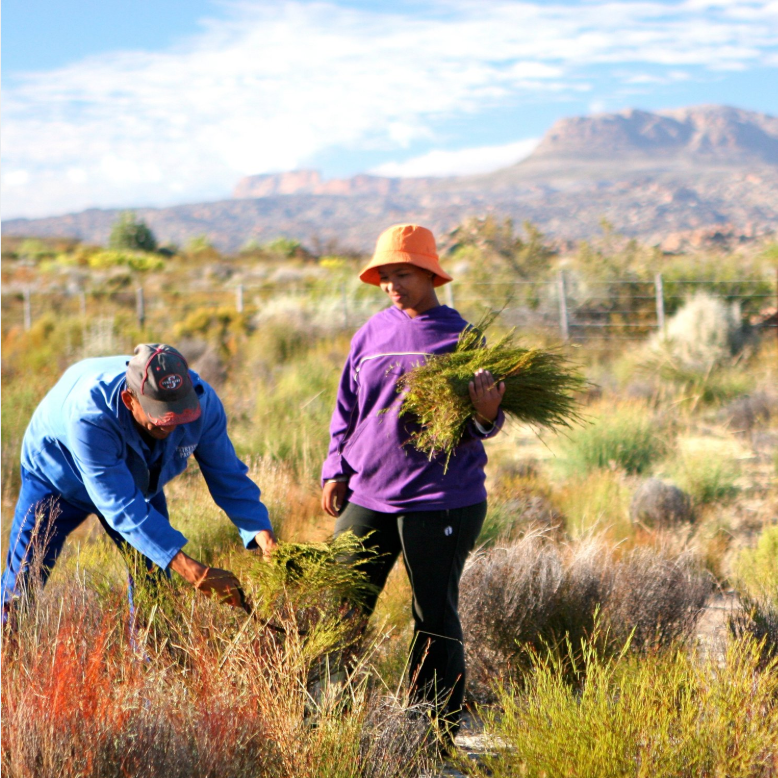
Wupperthal Original Rooibos Co-operative in South Africa.

Photo Courtesy of Equal Exchange

Extractive philosophies are increasingly the norm. Environmentally speaking, the consequences of those practices often hit vulnerable communities the hardest, including many small farming communities. Climate change impacts weather patterns, creating floods or droughts in the wrong seasons, increasingly enabling plant diseases to spread. Chemical inputs for pest control and fertilizers leave soil depleted and plants dependent on a cycle of chemical replenishment. All these practices are costly for farmers and for our shared environmental resources. 

Equal Exchange’s commitment to organic agriculture offers an important alternative. Farmers focus on regenerative techniques that work with their environment instead of against it. They compost farming byproducts and increasingly build organic *living* fertilizers—with good bacteria and microorganisms as the base—to continuously invest in healthy soil and resilient plants. They cultivate not just coffee, but many species of surrounding trees and plants, which serve many purposes: shade (for high-quality coffee), deep root systems (to retain water in farm plots and prevent erosion), and additional crops (for food and/or additional income). Not surprisingly, farming practices that are good for the environment often are good for the farmers tending the lands and ultimately are good for the eaters seeking healthy, clean, delicious food.

Organic BioRevolution Coffee as a Case Study

With 40 years of experience fairly trading with small farmer co-ops, Equal Exchange began to see a trend, and hatched the idea to work with food co-ops here in the US, on a special opportunity. Farmers have many more ideas to apply innovative environmental strategies to their work, but lack the additional resources to bring them to life. What could happen if we created those resources together?

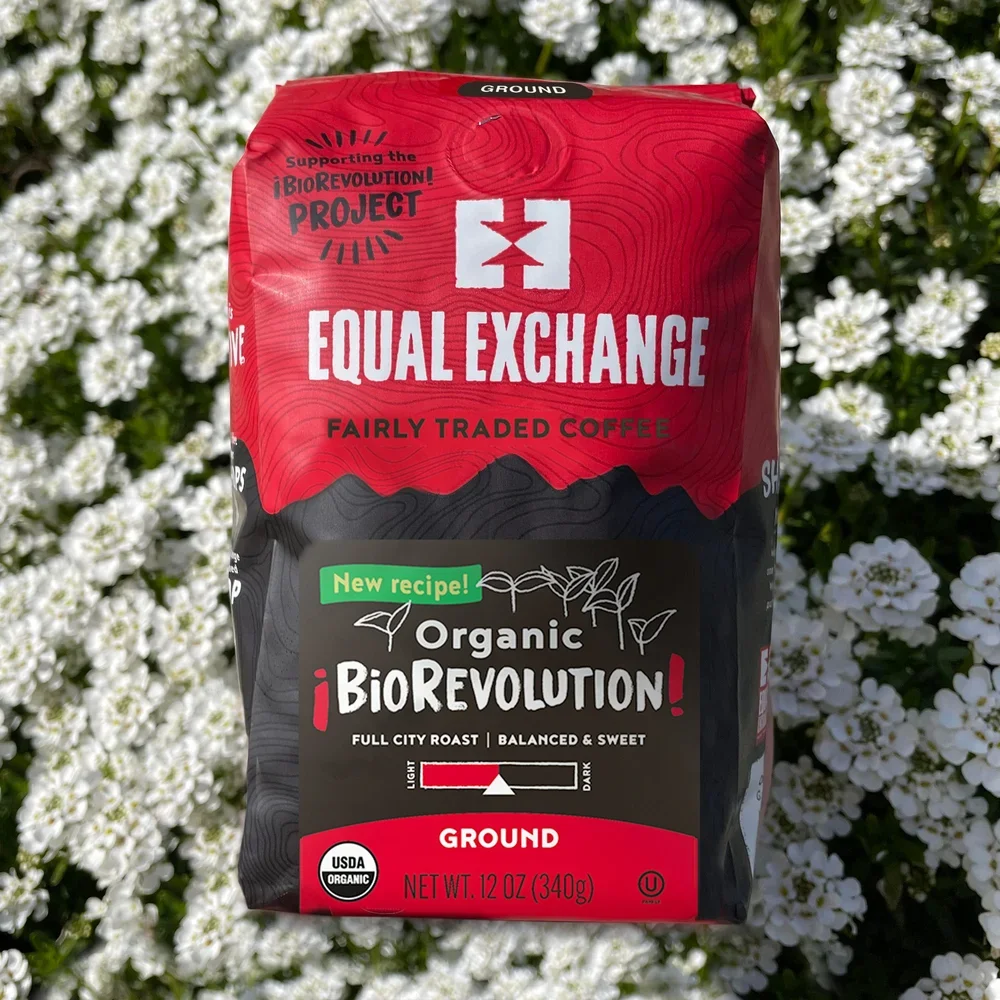
A bag of Equal Exchange Fairly Traded Coffee Organic BioRevolution ground coffee

Photo Courtesy of Equal Exchange

Enter “Organic BioRevolution!” This is a special coffee that has all the “usual” unusual markers of Equal Exchange’s products: it’s organic, fairly traded, sourced from farmer co-ops and roasted by Equal Exchange as a worker co-op. But there’s an added component: with each pound of Organic BioRevolution coffee bought by shoppers, Equal Exchange dedicates an additional 50 cents to fund innovative environmental projects in farming communities. To date, this has generated over $100,000 in funds! The impact is compelling. 

Farmers from 4 countries, representing 8 co-ops, have engaged in projects from the Organic BioRevolution fund. The fund deliberately connects farmers across borders to support farmer-led exchanges, share best practices, and inspire each other. Here are a few words from some of the participants at a gathering in Honduras:

“Despite the great challenges we face everyday whether in the field or wherever we work, there is always a door to keep moving forward. There is always someone who will offer us support to continue developing our capacity, so that we don’t feel like all the doors are closing on us, because there is always a vision for the future.” —Onésimo Ramírez from Chiapas, Mexico, member of the co-op Triunfo Verde

“I am amazed, and I’d like to implement many things in my cooperative based on what I have learned in this exchange. I feel very motivated by what I saw from the farmers here with their entrepreneurship and the added value they create.” —Karina Guadalupe Roblero from Chiapas, Mexico, member of the co-op CESMACH

Part of the beauty of this project is that as coffee drinkers continue to buy Organic BioRevolution, funds keep accumulating, and new ideas keep getting supported.

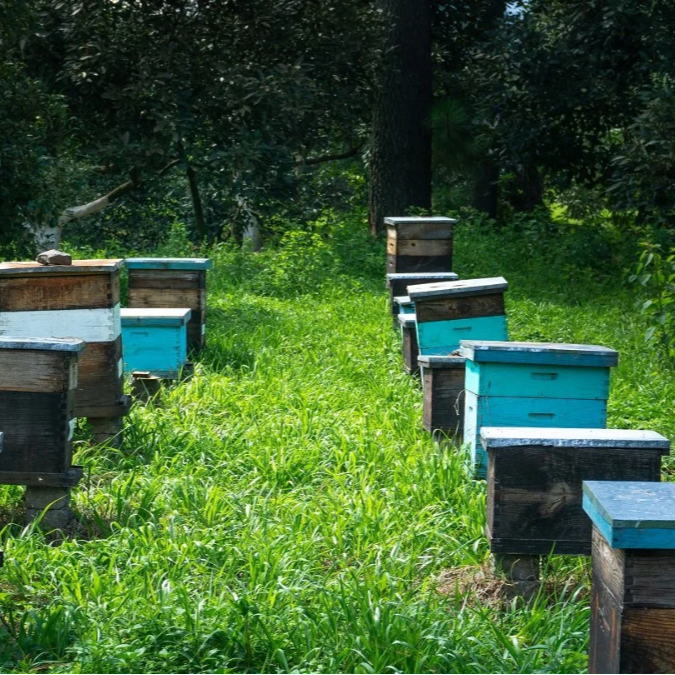
Beehives on a Mexican avocado farm

Photo Courtesy of Equal Exchange

One of the newer ideas gaining momentum is beekeeping. Farmers are incorporating a native stingless bee, the Melipona, into their organic farming strategies. The results are positively compounding: the populations of this native species are rebounding; their natural activities increase the pollination and therefore productivity of the coffee plants; their impact, of course, extends beyond just coffee: these pollinators help all manner of plants and crops thrive, which helps both the humans and the other fauna in these communities. The Meliponas also create a super high-quality honey, which farmers can use in their own traditional medicine practices as well as sell locally, adding an additional income stream. The farmers’ commitment to organic practices, in turn, is a meaningful benefit to these bee populations. Chemical fertilizers and pesticides are a threat to bees and other pollinators; sustainable, organic, innovative farming models allow for a more reciprocal relationship with pollinators (as well as so many other species!). Plant productivity and pollinator populations are not pitted against each other, but rather can benefit each other.

For more information on living soil, coffee, and beekeeping, and impact stories in the farmers’ own words, visit this Organic BioRevolution webpage. Purchase Organic BioRevolution to keep the co-op to co-op to co-op connection, and to keep the impact and innovation flowing.

New Local Gourmet Mushrooms from FirstLite Farms!

New Local Gourmet Mushrooms from FirstLite Farms!

Local to Bloomington, Indiana, FirstLite Farms is dedicated to growing high-quality, gourmet mushrooms. Owned and operated by Nick Parsch, a passionate grower and active member of the local farming community, the local farm is dedicated to providing responsibly grown ingredients to support healthy living and strengthen the local food system.

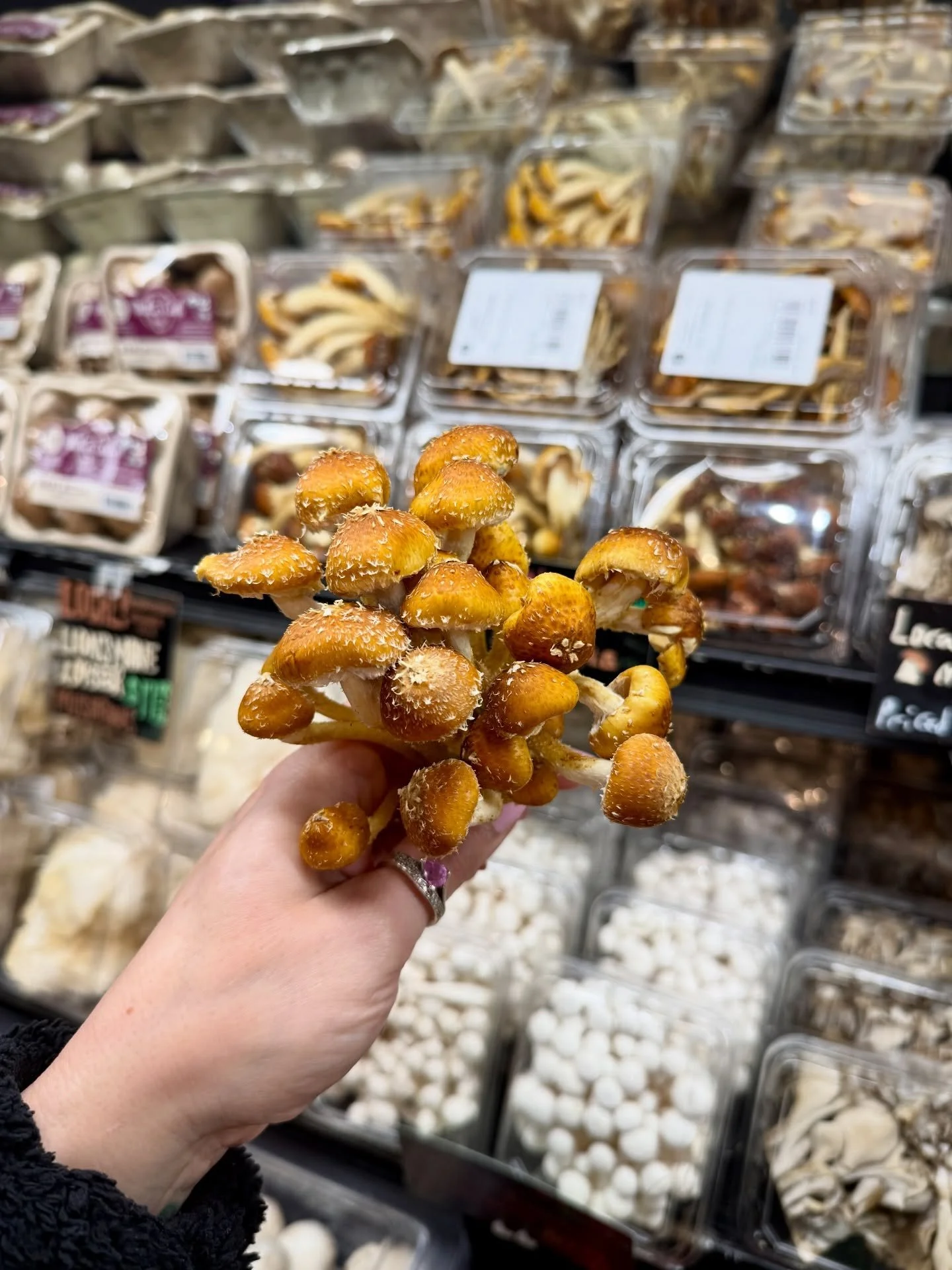
You can now find FirstLite Farms’ fresh White Beech, Maitake (Hen of the Woods), Chestnut, & Shiitake Mushrooms at both of our stores – our East Store also carries their Black Pearl Oyster Mushrooms!

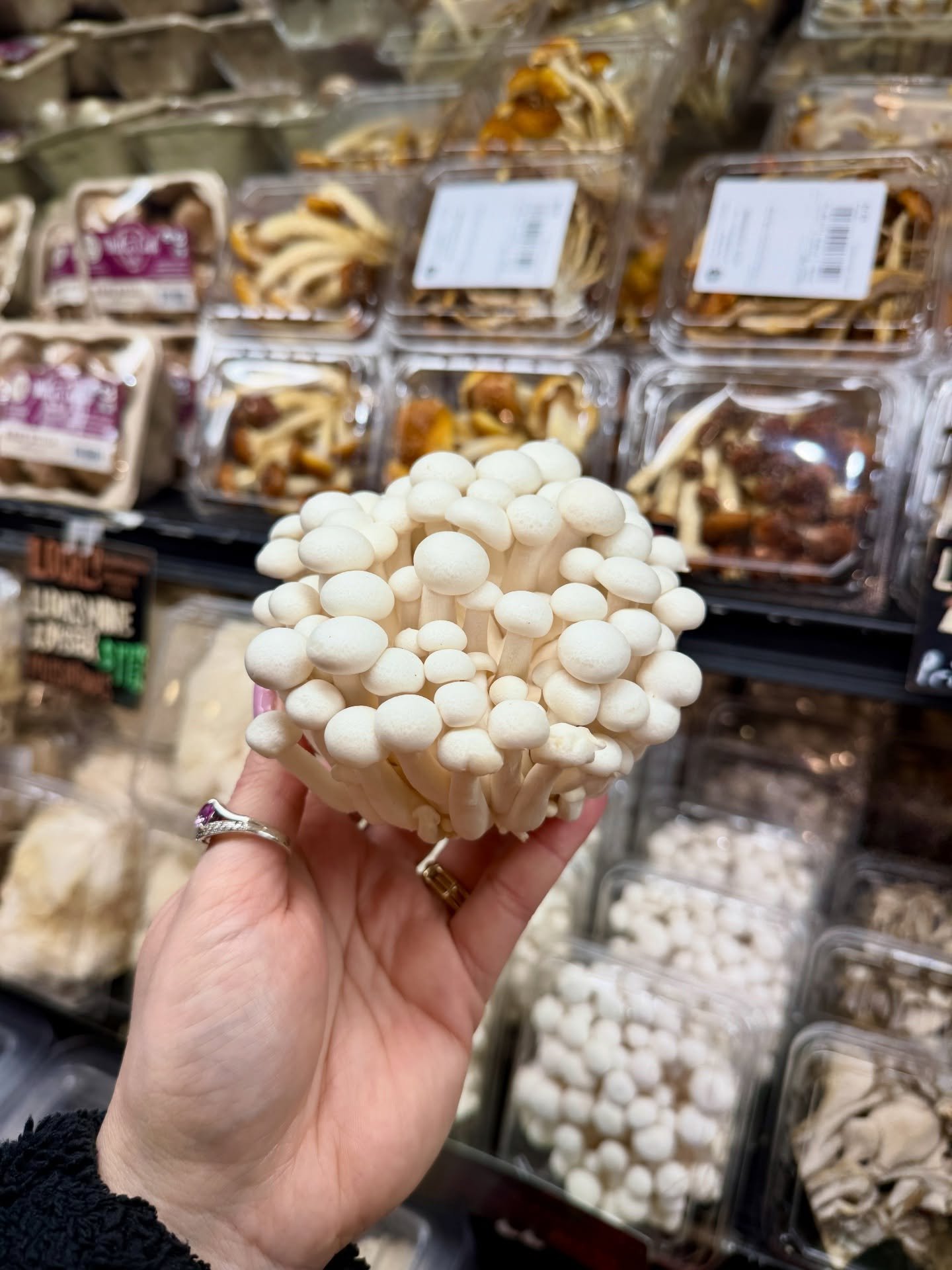
White Beech

Flavor: Mild, slightly nutty, subtly sweet

How to eat them:

  • Trim the base and separate the stems.

  • Best sautéed in butter or olive oil until lightly golden.

  • Add to stir-fries, ramen, pasta, or omelets.

  • Roast whole clusters for a slightly crispy texture.

  • Great in soups — they hold their shape nicely.

Tip: Cook them thoroughly; raw beech mushrooms can taste slightly bitter

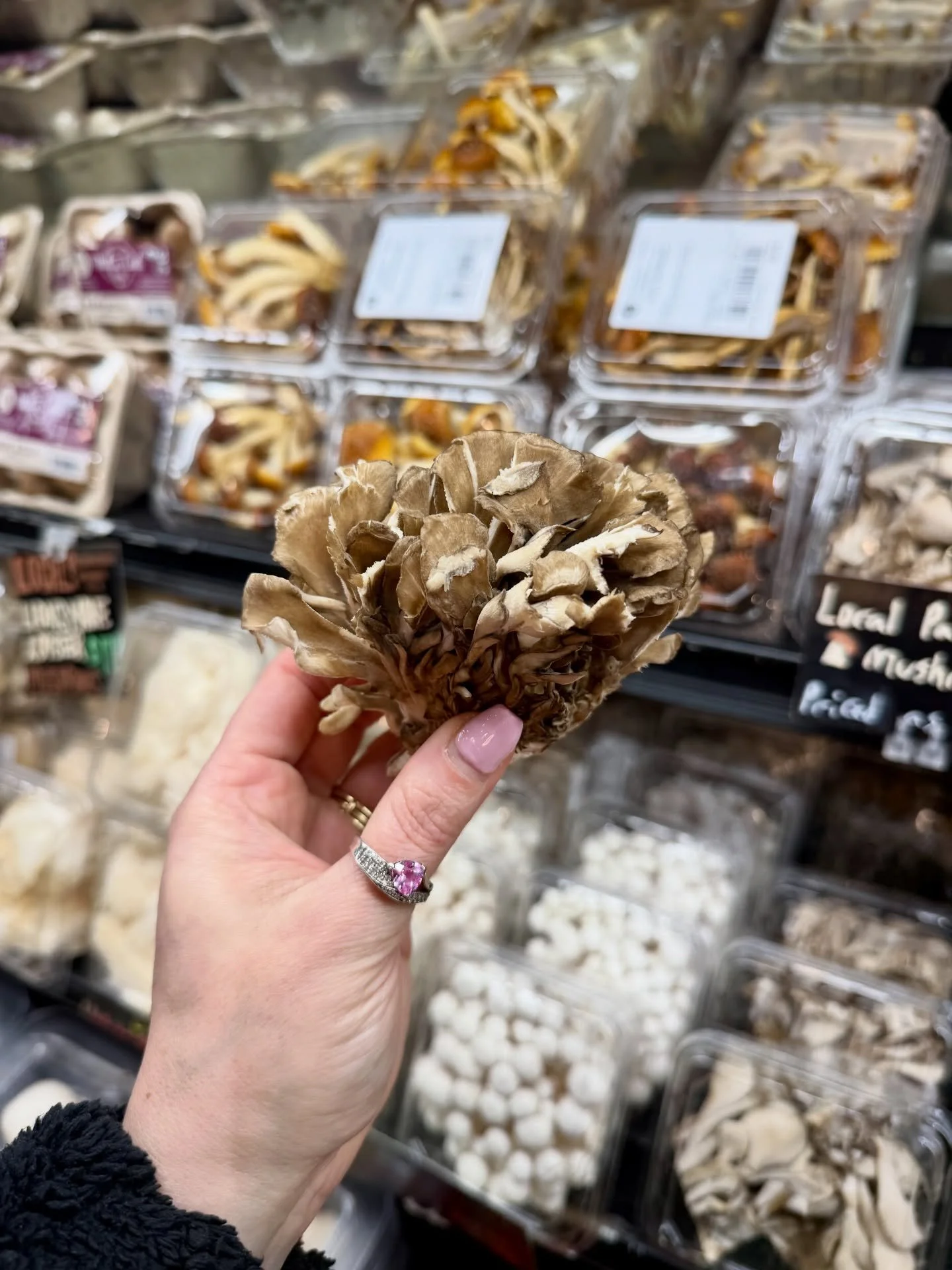
FirstLite Farm's Maitake Mushroom

Chestnut

Flavor: Nutty, slightly peppery

How to eat them:

  • Leave small ones whole; halve larger ones.

  • Excellent roasted or sautéed with garlic and thyme.

  • Add to pizzas, flatbreads, or creamy sauces.

  • Pair beautifully with eggs and breakfast dishes.

Tip: They retain a pleasant firmness even after cooking.

Caution! Chestnut mushrooms are high in chitin. May cause gastrointestinal discomfort without thorough cooking.

FirstLite Farm's White Beech Mushroom

Maitake (Hen of the Woods)

Flavor: Rich, earthy, savory

How to eat them:

  • Tear into bite-size pieces rather than slicing.

  • Roast at high heat (425°F) with olive oil and salt for crispy edges.

  • Sauté and serve over steak, chicken, or polenta.

  • Add to risotto or creamy pasta dishes.

Tip: High heat brings out their deep umami flavor and crispy texture.

FirstLite Farm's Chestnut Mushroom

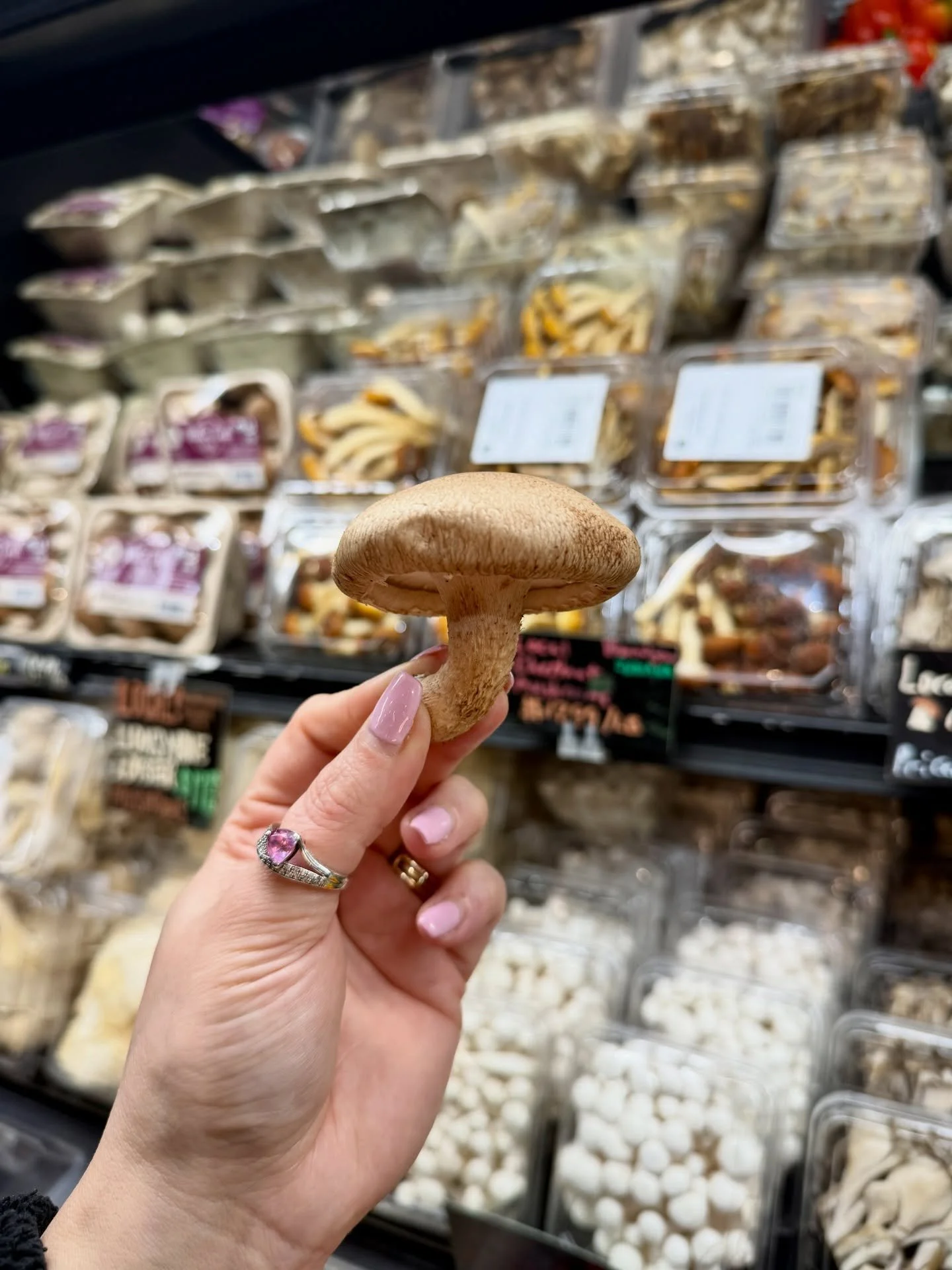
Shiitake

Flavor: Meaty, smoky, umami-rich

How to eat them:

  • Remove tough stems (great for stock).

  • Slice caps and sauté for tacos, grain bowls, or fried rice.

  • Add to soups, broths, and Asian-inspired dishes.

  • Marinate and grill for a “meaty” vegetarian option.

Tip: Dry sauté first (no oil) to release moisture, then add oil for better browning.

A Message from James Farmer at Twin Springs Creamery

A Message from James Farmer at Twin Springs Creamery

Pause on Pasteurized Milk – Raw Milk Continues

Dear Friends and Partners,

Milking cows and dairying have been a lifelong passion and dream of mine. My family and I began this journey in 2017 with a single cow — one cow milked simply because we believed deeply in local dairy and the connection between farms and community. Since then, Twin Springs Creamery has grown through many seasons of experimentation, learning, and persistence as we worked to find a sustainable way to produce and bottle local milk here in south-central Indiana.

There is a reason very few people choose this path. Dairy farming carries a level of daily commitment unlike almost any other form of agriculture. Cows must be milked every day, regardless of weather, holidays, or circumstances. Beyond caring for animals, producing bottled milk for human consumption involves significant regulatory responsibility, infrastructure, staffing, and constant operational precision. It is meaningful work — but demanding work. Adding a creamery that needs to run nearly daily presents a slew of rewards, yet compounds the complications that will always arise on a dairy farm alone. 

As many of you know, our pasteurizer recently experienced a significant mechanical failure and requires extensive repair. During this period, while continuing to milk cows, we were faced with difficult realities about sustainability and balance. Dumping tens of gallons of milk each day (sometimes sixty gallons) while equipment sat idle, clarified how fragile the system had become and how little margin remained for our family and operation.

I remain incredibly proud of the milk we produced together — milk that so many people rediscovered, enjoyed, and in many cases found they could digest again after years away from dairy. Seeing customers reconnect with real milk has been one of the great honors of this work.

With the pasteurizer offline, we made the difficult decision to pause pasteurized milk production and distribution and instead streamline the farm by reducing herd numbers and focusing on the raw milk pet food distribution channel that we were already operating. This transition allows us to keep the farm viable while restoring some sustainability to daily life and labor demands.

This was not a decision made lightly. In many ways, building a creamery had been a personal goal since my time as a student at Indiana University in the 1990s. However, attempting to simultaneously be a present parent and partner, dairy farmer, creamery manager, employer, and full-time professional proved increasingly difficult — especially when unexpected challenges such as equipment failures or staffing transitions arose.  

I want to express my deepest gratitude to each of you for believing in Twin Springs Creamery. Your willingness to carry our milk, advocate for local agriculture, and support us as we built the creamery from the ground up made this journey possible. Local food systems only exist because businesses like yours choose to invest in them.

I am especially thankful to my partner, Sara, and our children, whose sacrifices, patience, and hard work made every bottle possible, as well as to our dedicated dairy and creamery team members who showed up day after day in the parlor, the processing room, and the field.

While pasteurized production is now on a long pause, this experience has only strengthened my belief that our community needs a shared, community-scale creamery — one capable of processing milk from two, three, or four local farms rather than relying on a single small operation. Demand consistently exceeded what our farm alone could provide. Even as we expanded herd size, processing days, and product offerings, requests continued to grow for bottled milk, flavored milk, cream, butter, cheese, yogurt, and kefir.

Excellent models already exist — such as Columbia Community Creamery in Spokane, Washington — demonstrating how shared infrastructure can keep dairies viable while meeting community demand. Bloomington and south-central Indiana deserve the same kind of permanent processing solution. If local dairying is to endure, we must rebuild systems to put dairies back on farms while sharing the processing and distribution system- a system that shares the collective vision and voice. 

For now, Twin Springs Creamery will continue supplying raw milk pet food through existing channels and direct farm sales. More importantly, we hope this pause represents not an ending, but a transition toward a more durable future for local dairy in our region.

Thank you again for your partnership, encouragement, and belief in what we were trying to build together. We are deeply grateful and will be in touch. 

With appreciation,

James Farmer
Twin Springs Creamery
Bloomington, Indiana

PS- Don’t hesitate to reach out to me directly with any questions- twinspringscreamery@gmail.com.
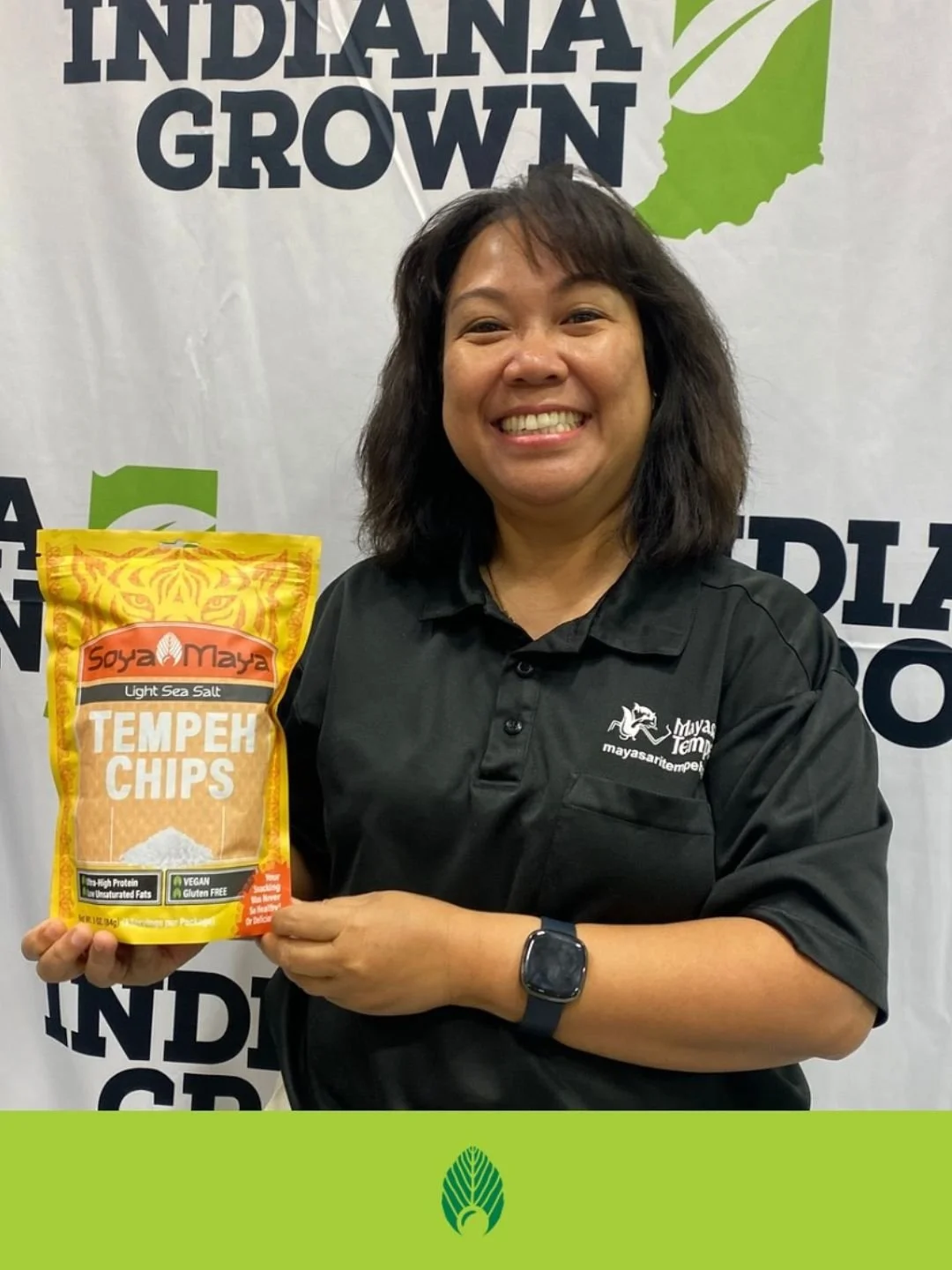
Local, Women-Owned Brands We Proudly Support!

Women-Owned LOCAL Brands We Proudly Support!

Know & support all of the WOMEN-OWNED LOCAL BRANDS we carry at our stores!

SoyaMaya

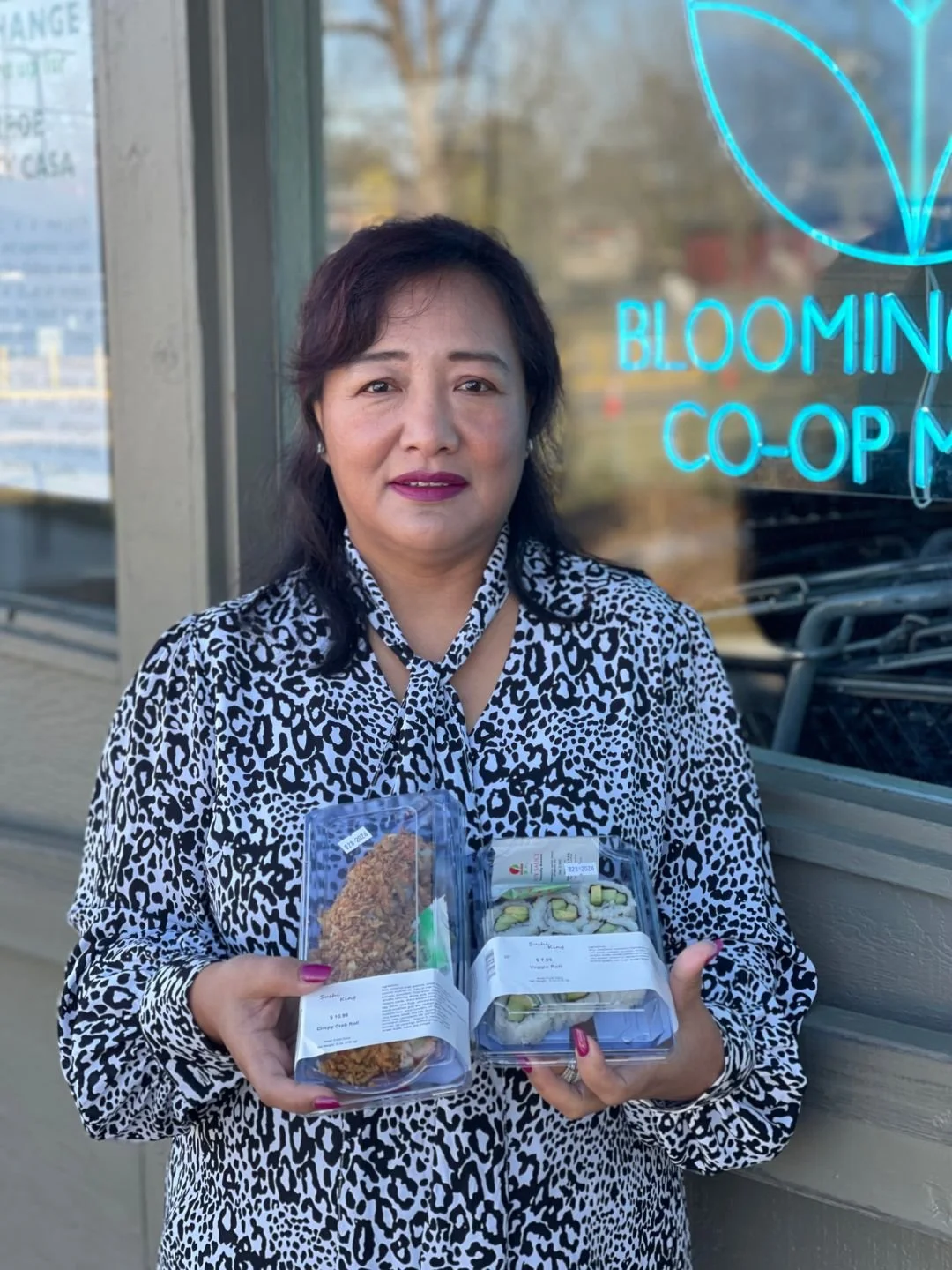
Sushi King

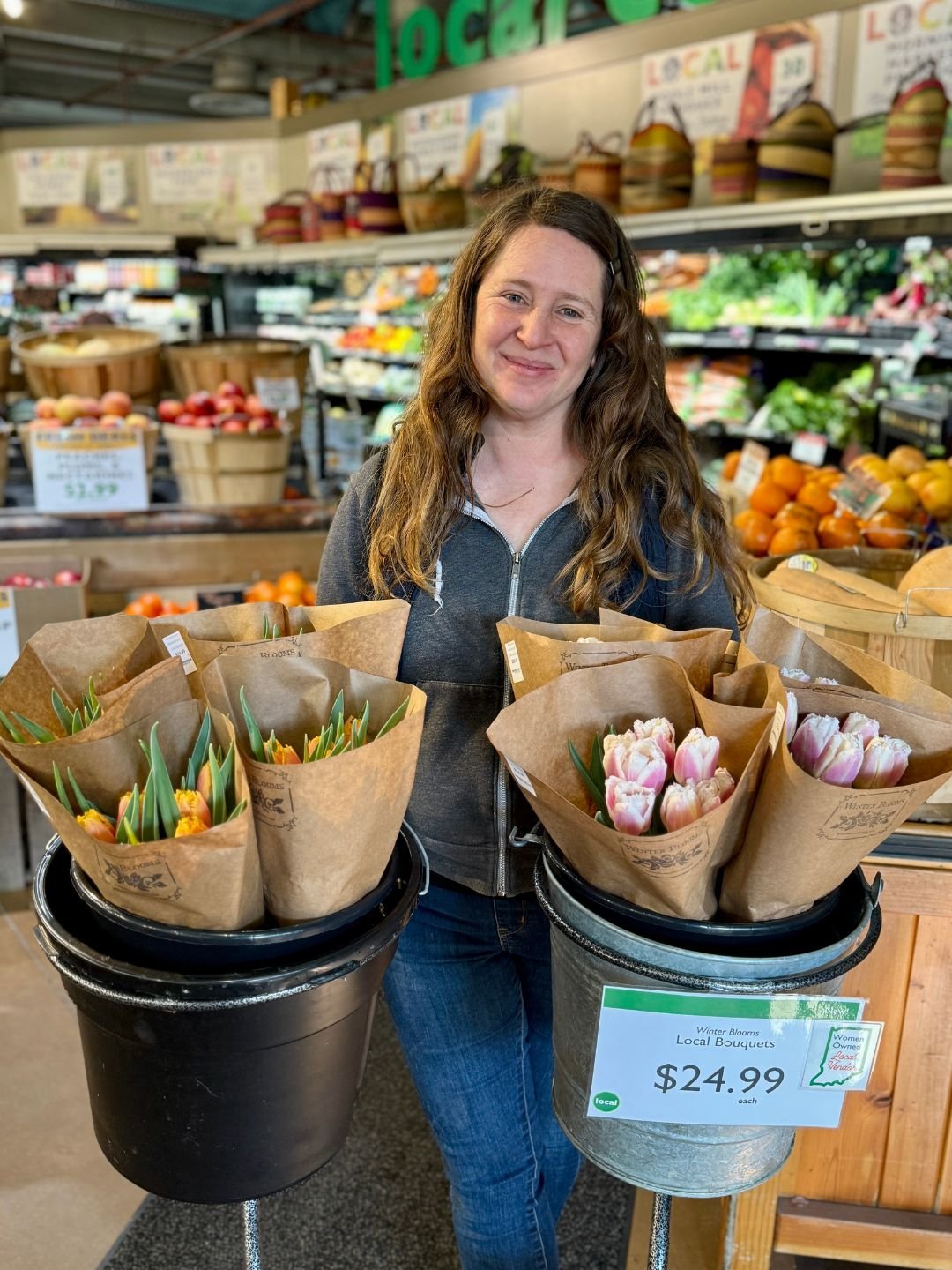
Winter Blooms

Keep dreaming! Keep planning! Keep doing big things!

Local Dog Treats at Our Near West Store: Moon Pennies!

Local Dog Treats at Our Near West Store: Moon Pennies!

Ken and Tc Farrell from Moon Pennies

We’re excited to highlight local, homemade dog biscuits available at our Near West Store: Moon Pennies! Made here in Bloomington in Ken and Tc Farrell’s 130-year-old home in the Prospect Hill neighborhood, each Moon Penny is mixed, shaped, baked, and dehydrated by hand. The idea grew out of a simple goal shared by Ken and Tc: to give their own two dogs treats made from straightforward, natural ingredients they could feel good about.
Milky Whey Moon Pennies Vermont Cheddar & Apple dog treats

From sourcing to production, Moon Pennies reflect the values many local shoppers share: prioritizing organic and locally sourced ingredients whenever possible, and keeping the supply chain small and transparent. Moon Pennies offer a hyper-local alternative to mass-produced pet treats, one rooted in a neighborhood kitchen rather than distant factories. This kind of small-scale, community-based production supports the local economy, reduces transportation impacts, and strengthens relationships between producers and the people who choose to shop close to home.

Moon Pennies Quality Control Specialists

Moon Pennies are also tested and certified by the State of Indiana, with a guaranteed analysis and nutritional information printed on every bag. More importantly, the Farrells have made Moon Pennies a true family operation, with their two Labradors serving as enthusiastic quality-control specialists through daily taste testing.

The biscuits are available at our Near West Store in three thoughtfully crafted flavors:

  • Lucky Moon Pennies (peanut butter and pumpkin)

  • Blue Moon Pennies (blueberry, banana, and peanut butter)

  • Milky Whey Moon Pennies (Vermont cheddar and apple)!

Treat your furry friends to a local treat that is paws-itively delicious!

New Local Snack at Our Near West Store - Fat of the Land Potato Chips!

New Local Snack at Our Near West Store - Fat of the Land Potato Chips!

We’re excited to welcome a new, local, seed-oil-free snack maker to our Near West Store: Fat of the Land! Founded by nurse and dad Donald Ridings, this Indiana-based brand was created with one goal: bring back snacks made with real, simple ingredients that families can feel good about.

Fat of the Land chips are kettle-cooked in 100% premium beef tallow, a traditional animal fat prized for its rich flavor and stability at high heat. Unlike conventional chips made with industrial seed and vegetable oils, these snacks focus on wholesome, time-tested ingredients you recognize and trust.

What makes Fat of the Land special is their commitment to real ingredients: made without seed oils, artificial additives, or added sugars, using just potatoes, sea salt, and traditional fats. Created by parents who wanted a snack they could feel proud sharing with their own kids, Fat of the Land focuses on clean, nourishing, nutrient-forward recipes inspired by ancestral cooking practices.

Whether you’re shopping for family snacks, looking for a cleaner alternative to mainstream chips, or just curious about traditional fats, Fat of the Land brings a fresh yet time-tested snack choice to our shelves.

We’re currently offering two flavors of their kettle-cooked chips at our Near West Store: Simple Sea Salt and Salt & Vinegar.

Stop by and grab a bag (or two) on your next visit!

Welcoming a New Local Vendor: Poppin’ Cobs Popcorn

Welcoming a New Local Vendor: Poppin’ Cobs Popcorn

We’re excited to welcome Poppin’ Cobs Popcorn, a truly Hoosier-grown snack maker whose story, values, and delicious flavors are now part of our local vendor family. Poppin’ Cobs isn’t just another popcorn brand–it’s a family farm’s passion project turned into a unique snacking experience. What started in the fields of Indiana as a simple, playful experiment to pop corn straight from the cob has become a proud small business rooted in local agriculture and shared joy.

The founders, Josh Pottschmidt and his college friend, Adam Bechtel, grew up around farming and soil, and that connection shows in everything they do: from hand-harvesting and drying the cobs to crafting products that celebrate real, wholesome food.

At the heart of Poppin’ Cobs is a commitment to simplicity, sustainability, and delight. They believe that snacks should be:

  • Real and clean: made with real ingredients and zero guilt, with no additives, preservatives, or artificial anything.

  • Sourced with integrity: grown on family-owned farms in the Midwest where they know the land, the people, and the process.

  • Designed for delight: fun to make and share, from the surprise of watching kernels pop off the cob to the laughter and joy of friends and family gathered around snack time.

They describe themselves simply: farmers, snack lovers, and people who believe food should be fun, real, and good for you.

Poppin’ Cobs has deep roots in Indiana farming. The team grows their popcorn cobs on their family farm because they’re invested in every step of the journey, and they believe you can genuinely taste the difference when something is made with care. Their mission is clear: reimagine everyday snacks in ways that are cleaner, smarter, and more enjoyable, while staying true to quality, community, and joy.

We’re currently offering two of their standout flavored varieties at our Near West Store, each reflecting that same dedication to quality and fun:

  • Buttery Garlic – rich and savory with smooth buttery notes balanced by a flavorful garlic punch.

  • Dill Pickle – tangy and vibrant with the classic pickle zing that keeps people coming back for more.

These flavors bring the farm-fresh joy of Poppin’ Cobs into a bold, crave-worthy snack perfect for customers seeking something both wholesome and delicious.

Please join us in celebrating Poppin’ Cobs Popcorn–where farm, flavor, and fun meet in every pop!